Flat Roofing
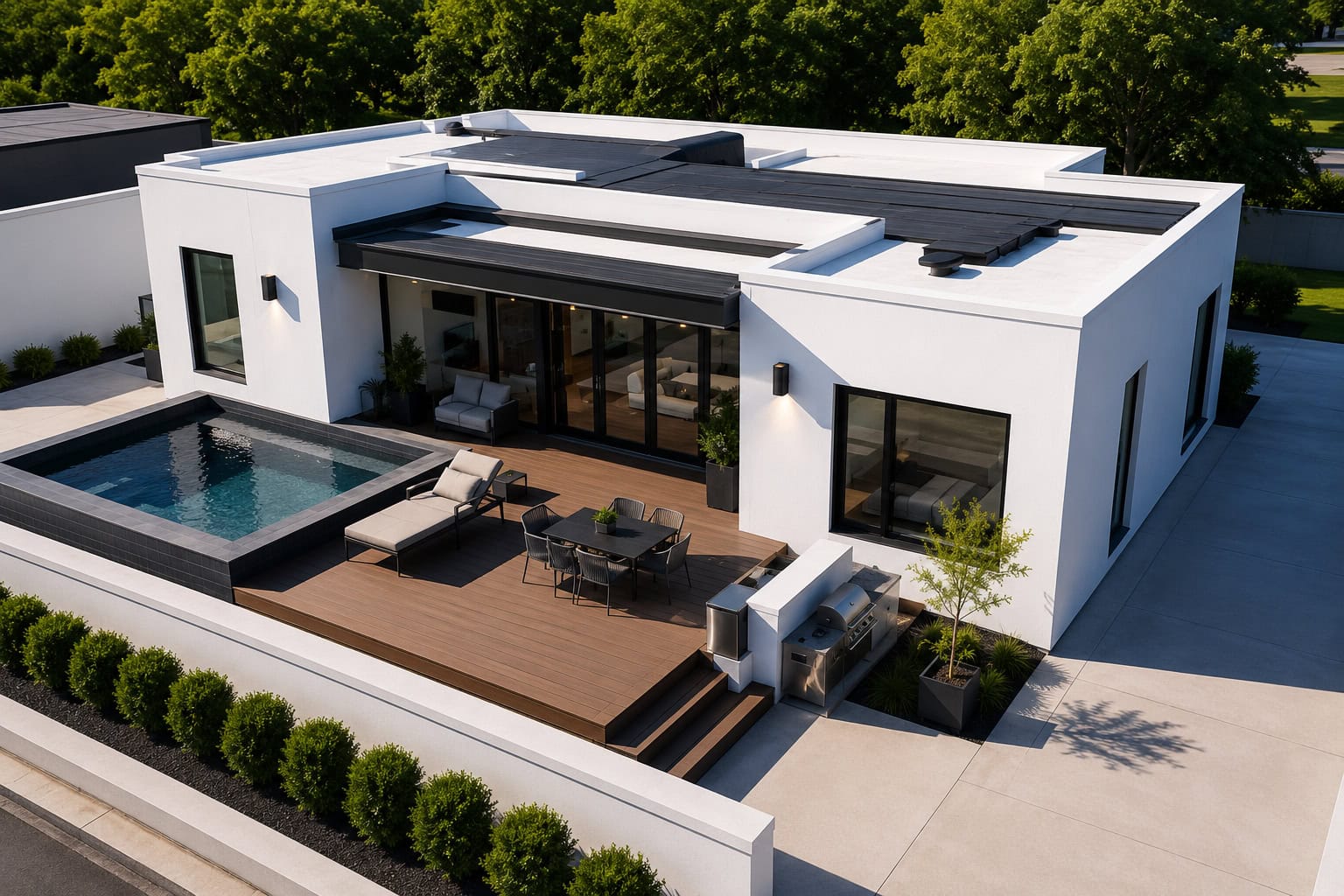
Puma Roofing Is Your Flat Roofing Installation & Repair Experts
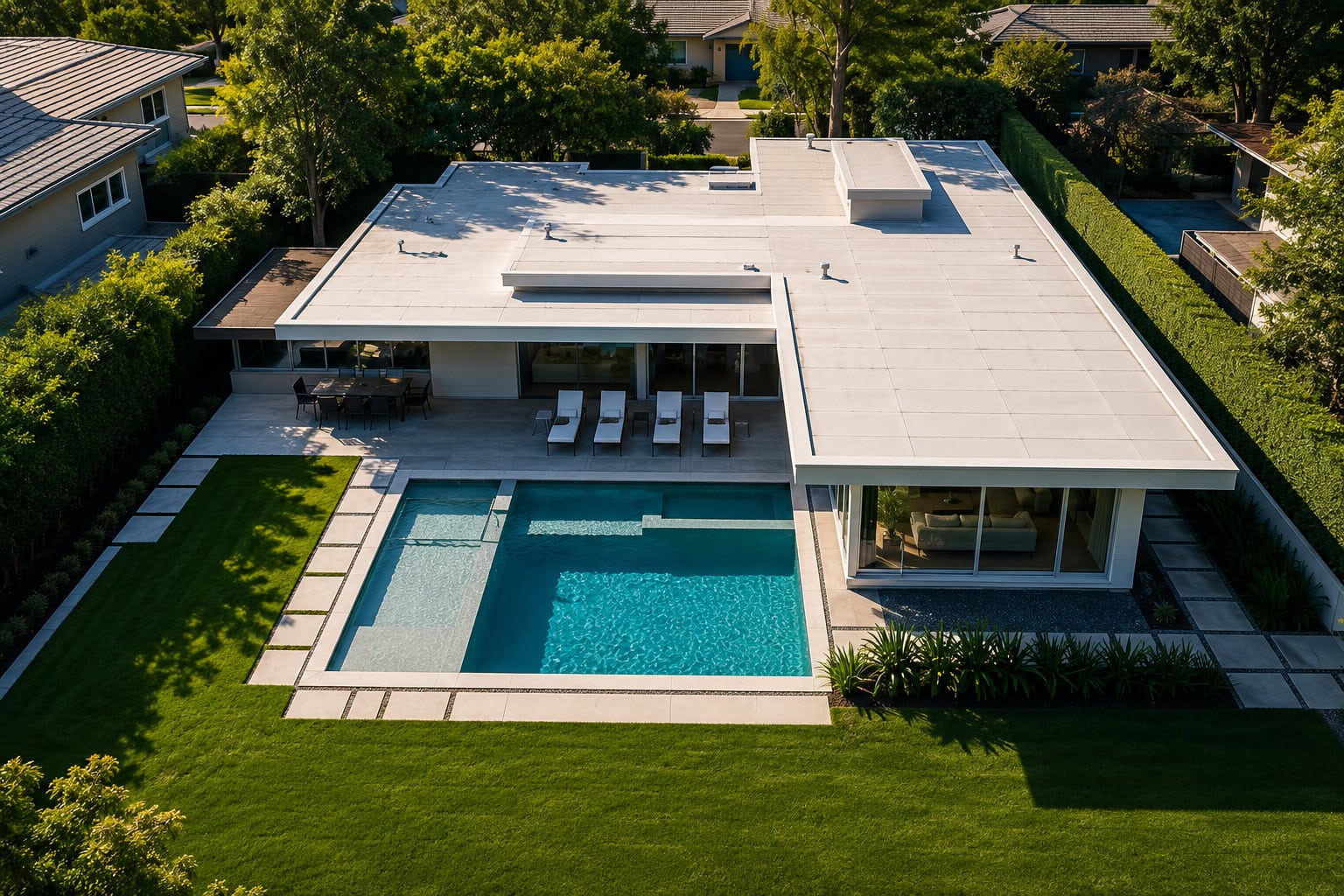
Puma Roofing provides expert flat roof installation and repair services throughout North and Central Florida for both residential and commercial properties. In today’s modern home designs, flat roofs are often a key element of the overall architectural aesthetic. Many homeowners and businesses with open balconies or patios require specialized flat roofing systems that deliver both functionality and visual appeal. These systems are designed to provide long-lasting protection while complementing the structure’s design.
A critical component of any flat roof system—especially under Florida Building Code—is ensuring that all rooftop structures, vents, and penetrations are properly fastened and sealed to prevent water intrusion and withstand severe weather conditions as well as a proper sloping..
Our skilled flat roofing professionals work with industry-leading systems, including:
TPO (Thermoplastic Polyolefin): Energy-efficient and highly reflective
PVC (Polyvinyl Chloride): Durable and resistant to chemicals and fire
SPF (Spray Polyurethane Foam): Seamless, insulating, and highly energy-efficient
EPDM (Rubber Roofing): Flexible, reliable, and long-lasting
Modified Bitumen: A multi-layer system known for strength and waterproofing
With Puma Roofing, you can trust that your flat roof will be built with precision, durability, and performance in mind—engineered specifically for Florida’s demanding climate.
Flat Roof Design & Performance
Flat roofs are designed with a slight slope—typically between ¼” and ½” per foot—to ensure proper water drainage. Careful planning and expert installation are essential to create effective drainage systems, including scuppers, gutters, and internal drains. Proper drainage helps prevent ponding water, reduces the risk of leaks, and significantly extends the lifespan of your roof. Low-slope roof systems also offer added versatility by maximizing usable rooftop space. This makes them ideal for accommodating solar panels, HVAC systems, and other equipment without compromising functionality.
Additionally, many flat roofing systems use reflective membranes that improve energy efficiency by reducing heat absorption—helping to lower cooling costs, especially in Florida’s hot climate.
Types Of Flat Roof Systems
Modified Bitumen Roofing Systems
Modified bitumen is a durable, multi-ply roofing system commonly used on residential and small-scale commercial low-slope or flat roofs. It is made from asphalt reinforced with fiberglass or polyester and enhanced with polymer modifiers such as rubber (SBS) or plastic (APP). This combination creates a roofing system that offers excellent waterproofing, flexibility, and resistance to temperature fluctuations—making it well-suited for Florida’s demanding climate.
Modified bitumen roofs are typically installed using heat-welding, cold-process adhesives, or self-adhering membranes. Most systems are built as two-ply or multi-ply applications, providing redundant layers of protection against leaks.
Key benefits include:
Superior Flexibility: Polymer-modified rubber allows the system to expand and contract without cracking
Enhanced Strength: Reinforced with fiberglass or polyester for long-term durability
High Traffic Resistance: Ideal for roofs that experience regular maintenance foot traffic
Fire Resistance: Offers strong performance against fire exposure
Energy Efficiency: Often finished with a reflective coating to reduce heat absorption and improve efficiency
With proper installation and maintenance, modified bitumen roofing systems typically last 20–30 years, delivering reliable, long-term performance.
EPDM Roofing Systems
EPDM (Ethylene Propylene Diene Monomer) is a durable, flexible synthetic rubber roofing membrane ideal for low-slope and flat roofs. Known for its longevity, EPDM systems typically offer a lifespan of 20–50 years when properly installed and maintained.
This roofing material is highly resistant to UV radiation, weathering, and hail—capable of withstanding impacts from hail up to 3 inches in diameter. It also remains flexible in extreme temperatures as low as -40°F, allowing it to expand and contract with the structure without cracking.
EPDM is fully adhered by gluing the membrane directly to the roof substrate, creating a secure and watertight seal. It is also a low-maintenance roofing solution, making it a popular choice for both residential and commercial properties.
Considerations and benefits include:
Exceptional Durability: Strong resistance to UV rays, weather, and hail damage
Flexibility: Performs well in extreme temperature fluctuations
Low Maintenance: Requires minimal upkeep over its lifespan
Puncture Awareness: As a rubber material, it can be punctured by sharp or heavy objects
Energy Performance: Standard black EPDM absorbs heat, which may increase cooling costs; however, white EPDM options are available
To further improve energy efficiency, Puma Roofing applies a reflective topcoat, helping reduce heat absorption and lower cooling costs—especially important in Florida’s climate.
PVC Roofing System
PVC (Polyvinyl Chloride) is a high-performance, single-ply thermoplastic membrane primarily used for flat or low-slope roofs. Commonly applied in commercial settings, PVC is installed by heat-welding the seams between sheets, creating a continuous, watertight membrane. Unlike systems that rely on glue or tape, PVC seams form a permanent, monolithic bond that is essentially impervious to water.
PVC roofing is highly valued for its:
Exceptional Durability: Resistant to weather, wind, and mechanical wear
Chemical Resistance: Withstands grease, oils, and industrial chemicals, making it ideal for restaurants, manufacturing facilities, and other commercial properties
Energy Efficiency: Typically produced in white, PVC reflects up to 90% of solar energy, reducing cooling costs significantly
Fire Resistance: Naturally fire-retardant and self-extinguishing
Wind Resistance: Properly installed systems can endure winds exceeding 100 mph
While extremely tough, PVC can be vulnerable to punctures from sharp objects or heavy foot traffic, particularly in colder temperatures below 50°F when the material may become slightly more brittle.
A professionally installed and maintained PVC roof typically lasts 20–30 years, with premium systems sometimes reaching up to 40 years, providing long-term protection and performance for commercial and industrial properties.
TPO Roofing Systems
Thermoplastic Polyolefin (TPO) is a single-ply roofing membrane designed for flat or low-slope roofs, and it is widely used on commercial buildings due to its energy efficiency and durability. TPO roofing reflects UV rays, helping to lower cooling costs by up to 20%, making it an excellent choice for Florida’s hot climate.
Key features of TPO roofing include:
Energy Efficiency: Highly reflective membrane reduces heat absorption and lowers cooling costs
Durability: Reinforced with a polyester scrim to resist tears, punctures, and general wear
Strong Seams: Heat-welded seams are 3–6 times stronger than seams joined with glue or tape
Cost-Effective: Offers a strong balance of performance and affordability compared to PVC
Lifespan: Typically lasts 15–30 years, depending on membrane thickness and proper maintenance
The performance of a TPO roof system depends heavily on the quality of the seam heat-welding, making professional installation essential. Our skilled roofing mechanics at Puma Roofing ensure every TPO roof is installed to the highest standards for long-lasting results.
SPF Roofing Systems
Spray Polyurethane Foam (SPF) roofing is a seamless, liquid-applied system that expands into a solid, closed-cell foam layer upon application. It is commonly used for commercial and industrial buildings, but it is also growing in popularity for residential flat roofs due to its superior insulation and leak protection.
Key benefits of SPF roofing include:
Exceptional Insulation: SPF offers the highest R-value of any conventional roofing material, typically R = 6.5 per inch, helping reduce cooling costs by 30–50%
Seamless Protection: Sprayed-on application creates a monolithic (one-piece) barrier, eliminating seams and joints that are common failure points in traditional roofing
Integrated Sealing: The foam naturally seals around vents, pipes, and other roof penetrations, reducing the need for additional metal flashing
Eco-Friendly Application: SPF can often be applied directly over an existing roof, minimizing tear-off, reducing landfill waste, and saving time
Durability and Weather Resistance: The closed-cell foam provides excellent resistance to moisture, air infiltration, and extreme weather conditions
Choose Puma Roofing for All Your Flat Roofing Needs
When you choose Puma Roofing for your flat roof, you’re trusting a team with specialized experience in flat roofing systems. Flat roofs require unique skills in drainage, sealing, and thermal management that differ significantly from traditional shingle roofs.
Preventing ponding water is critical for flat roof performance and longevity. This requires careful slope design, efficient drainage systems, and ongoing maintenance. At Puma Roofing, our strategies include:
Tapered Insulation: Creating a proper pitch of approximately ¼ inch per foot to guide water toward drains
Effective Drainage: Installing scuppers or internal drains to prevent water accumulation
Regular Maintenance: Cleaning gutters and inspecting the roof to ensure long-term performance
Water-Resistant Coatings: Applying protective membranes or reflective coatings for added durability
With Puma Roofing, you can trust our skilled professional mechanics to install your flat roof with meticulous attention to detail—from the design phase through final installation—ensuring a durable, reliable, and high-performing roof built for Florida’s climate.
Call Puma Roofing today for a no-obligation quote on your project!
OUR PROCESS
Initial Consultation
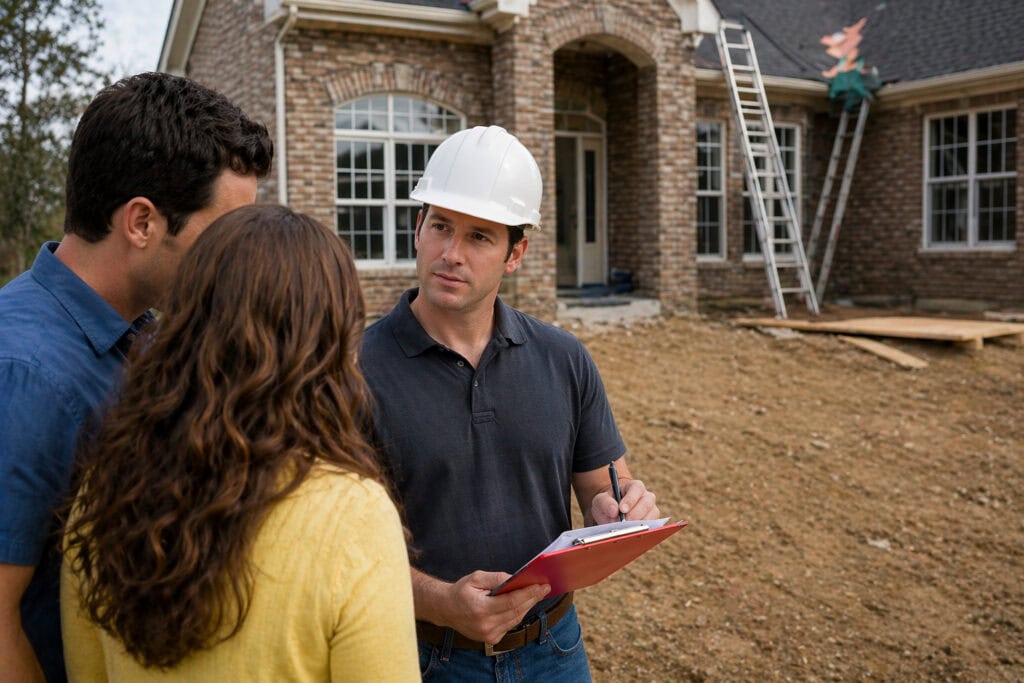
We begin by listening closely to your roofing needs and inspecting your property to fully understand the scope of the project and any specific challenges.
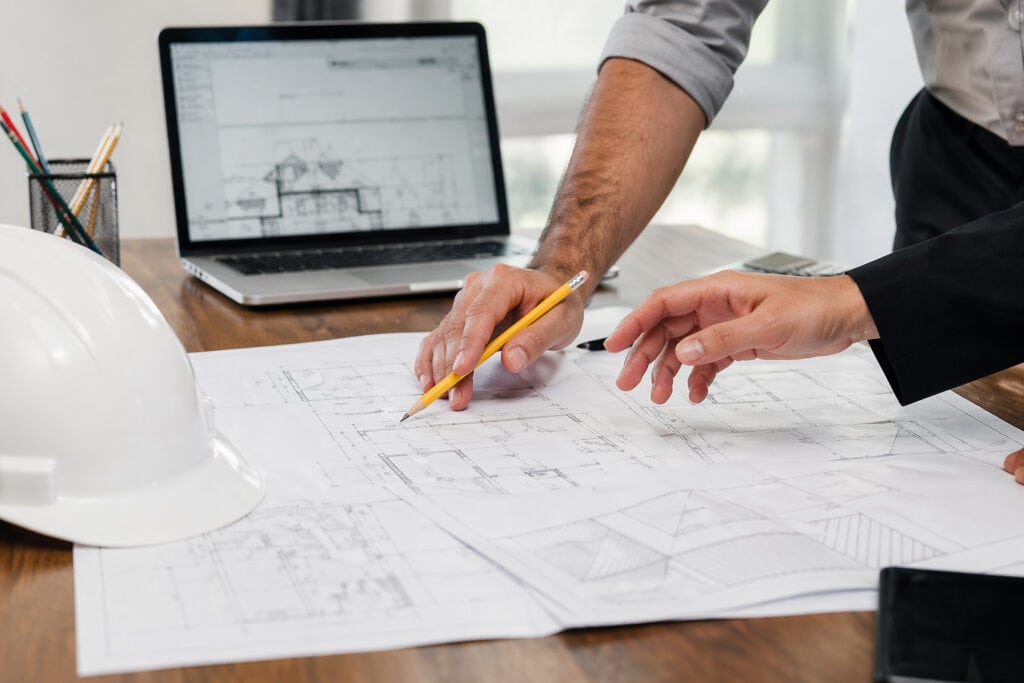
Estimate and Planning
Next, we provide a detailed, transparent estimate and develop a tailored plan that fits your budget, timeline, and preferences.
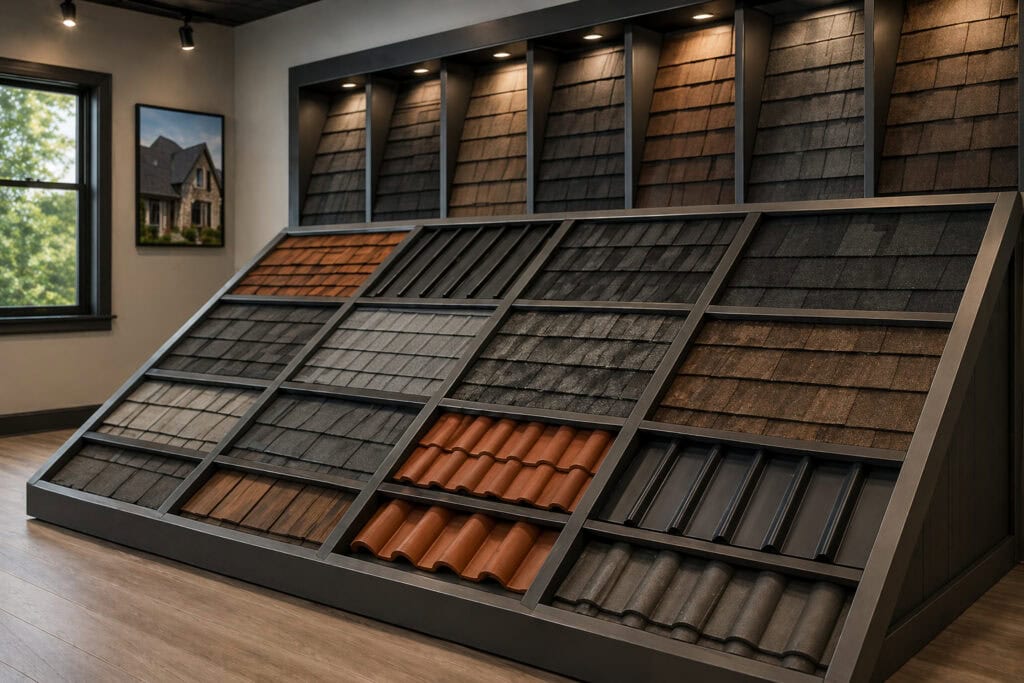
Material Selection
We guide you through selecting the best quality roofing materials that balance durability, aesthetics, and cost-effectiveness to suit your home or business.
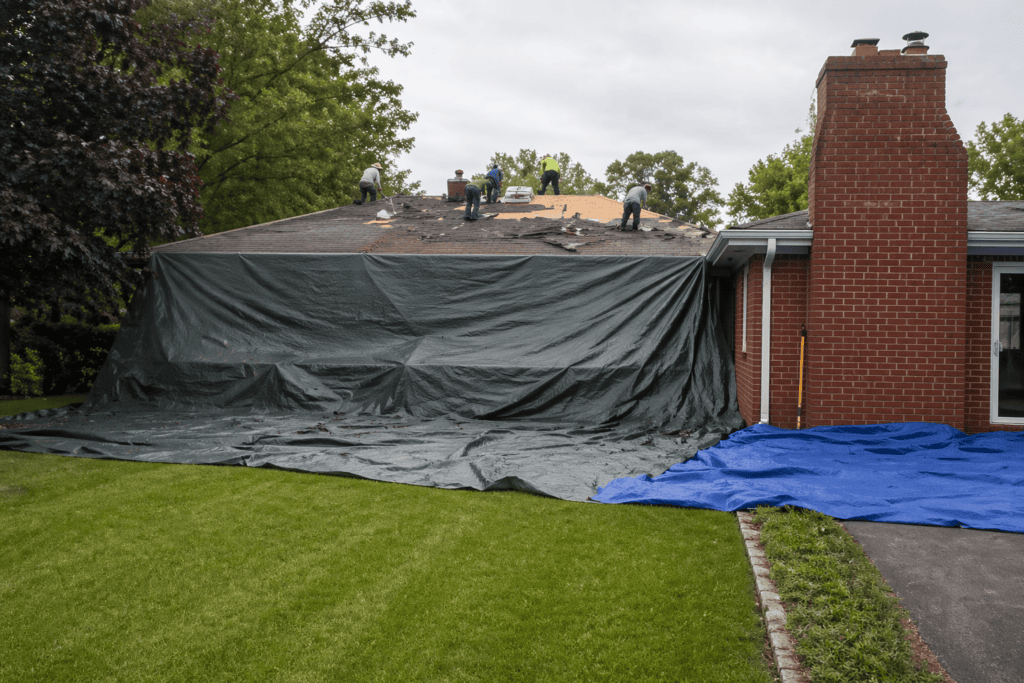
Installation / Repairs
Finally, our skilled team performs professional installation or repairs with precision and care, ensuring your roof is built to last and exceeds your expectations.
Frequently Asked Questions
Roofing Assessment & Replacement
How do I know if my roof needs to be repaired or replaced?
- If your roof has several leaks, missing or curling shingles, or is over 20 years old, a replacement is likely needed. Minor damage like a few missing shingles or small leaks can usually be repaired.
Will my roof need replacing if I get it repaired?
- Most asphalt shingle repairs do not mean your roof is at the end of its life. Frequent repairs may indicate your roof is aging, but single repairs typically last for the life of the roof.
How often should I get a roof inspection?
- At least once a year, especially before and after hurricane season.
Do you offer emergency roof repair?
- Yes! We provide 24/7 emergency repairs for storm damage or urgent leaks.
How long does a new roof installation take?
- Most residential installs are completed in 1–3 days, depending on roof size, complexity, and materials.
Roofing Materials & Florida Climate
What roofing materials are best for Florida’s climate?
- Asphalt Shingles: Affordable, versatile, and suitable for most homes.
- Metal Roofing: Durable, long-lasting, reflective for energy efficiency, and resistant to storms.
- Tile Roofing (Clay or Concrete): Long-lasting, visually appealing, and weather-resistant.
- Wood Shakes: Provide a natural look, require maintenance, and last for decades if treated properly.
- Commercial Roofing (PVC, EPDM): Common for flat roofs, offering durability and leak resistance.
What asphalt shingle system do you install?
- We use Owens Corning shingles, backed by industry-leading warranties for quality and durability.
Can I install a metal roof over my old roof?
- Yes! This process is called reroofing, and we can guide you through it during your consultation.
Financing & Insurance
What is the typical down payment to finance a roof?
- Down payments vary by plan: some require 20% upfront, while others offer 100% financing with no upfront cost.
If I have bad credit, can I still get approved for financing?
- Yes, most homeowners can finance a roof replacement. A co-signer with good credit can help secure better rates.
Do you offer financing for asphalt shingle roof installations?
- Yes, Puma Roofing provides budget-friendly financing options to fit your needs.
Can I file an insurance claim for roof damage?
- Yes, if the damage is caused by insured perils such as storms, wind, or hail. We can assist with inspections and documentation.
Will my homeowners insurance cover roof repairs or replacement?
- Coverage depends on your policy and the cause of damage. Storm-related damage is often covered, while wear and tear is not. Our licensed adjuster can review your claim and work directly with your insurer.
Roof Maintenance & Longevity
What roofing maintenance should I perform regularly?
- Clean gutters, inspect for damaged shingles, check for leaks, and trim overhanging branches.
What maintenance do shingle roofs need in Florida?
- In addition to regular inspections: clean gutters, remove algae or mold, and replace damaged shingles promptly.
What is the average lifespan of a roof in Florida?
- Asphalt shingles: 15–20 years
- Metal roofs: 40–70 years
- Tile roofs: 50+ years (clay tiles can last up to 100 years)
Consultation & Installation
Who should be present for the consultation?
- The main decision-maker(s) should attend to ensure they receive all important details about materials, options, and budget.
How do I prepare my home for a roof replacement?
- Clear your driveway and yard, remove vehicles, cover outdoor furniture, and notify neighbors if possible.
What should I expect during the roofing process?
- Expect noise, debris, and workers on-site. We take precautions to protect your property and minimize disruptions.
How long does an asphalt shingle roof installation take?
- Asphalt shingles are easier to install than many materials, so projects are completed quickly and efficiently. We provide a full timeline and updates throughout your project.
Licensing & Service Areas
Are Puma Roofing crews licensed and insured?
- Yes! All crews are licensed, insured, and experienced. We do not use unlicensed subcontractors.
What areas in Florida do you serve?
- We proudly serve Central and Northeast Florida. Visit our Service Areas page for full coverage.
Upgrade Your Roof Today and Enjoy Special Savings
Take advantage of our limited-time offers to enhance the safety, beauty, and energy efficiency of your home or business. Whether you’re looking for a full roof replacement, energy-saving insulation upgrades, or efficient solar fans, Puma Roofing has you covered with competitive pricing and flexible financing options. Don’t wait until small issues become costly problems.
- $350 Off Shingle Repair Valued at over $3000
- $500 Off a Tile Roof Repair Valued Over $4000
- $1000 Off Shingle Replacement
- $5000 Off Tile Roof Replacement
- Free Subscription To Puma Club
- Special Discounts For Police/Fire /Teachers Veterans / First Responders
- Free Luxury Shingle Upgrade
Contact us today to schedule your free consultation and unlock special discounts designed to fit your budget. Upgrade now and experience the peace of mind that comes with a durable, expertly installed roof.
SERVICE AREAS
ORLANDO REGION
- Orange County
- Seminole County
- Lake County
- Polk County
- Osceola County
- Brevard County
- Volusia County
- Flagler County